
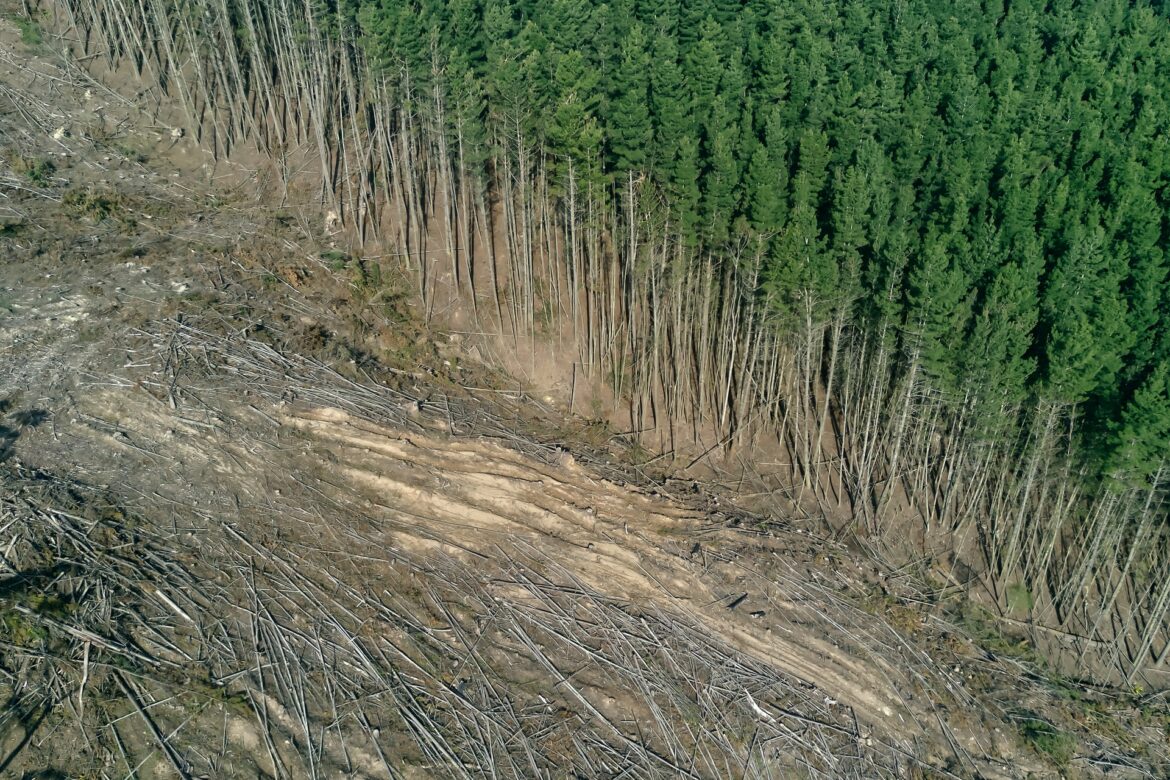
Deforestation is the widespread cutting or clearing of forests to make room for crops, livestock, settlements, and other economic uses. It’s a process that is happening all over the world, in both developed and underdeveloped nations.
It has a significant impact on the environment and human health, contributing to climate change and increasing the risk of flooding and other natural disasters. Deforestation can have a variety of impacts, including climate change, loss of biodiversity, and water supply problems.
Deforestation can refer to natural forest loss, or the destruction of forests due to human activity, such as the clear-cutting and burning of forests for agricultural purposes. Learn more about the facts behind deforestation.
Environmental Problems Caused by Deforestation
Deforestation is the conversion of a forested area to land that is not forested. The most common form of deforestation is the clear-cutting of trees, but other activities such as firewood gathering, logging, and grazing can also lead to deforestation. Sadly, deforestation can have serious environmental consequences, including the release of greenhouse gases, loss of biodiversity, and pollution.
Deforestation has been linked with a number of environmental problems. This includes climate change, water shortages, and the release of greenhouse gases. Deforestation can cause climate change because it releases greenhouse gases such as carbon dioxide and methane. Deforestation also leads to water shortages because it blocks sunlight from reaching water sources and destroys forests’ ability to absorb water. And finally, deforestation can release harmful pollutants such as arsenic and mercury into the environment.
The effects of deforestation are serious and deserve our attention. We need to do whatever we can to reduce the amount of deforestation happening around the world.
Why do people cut down trees?
Trees are cut down so their wood can be used to make things. Large areas of trees are removed so that the land can be used to make space to develop on the land, grow crops, or to provide places where farm animals can graze.